Your cart is empty :(
0
0
Published: 18.05.2026
10 min. read
Home Textile Trends: Which Colors, Textures, and Patterns Are at the Peak of Popularity Right Now
Main Home Textile Trends of 2026
In 2026, home textiles move far beyond being just a functional part of interior design. They become part of the emotional perception of a space, influencing the feeling of coziness and overall comfort. Analysts and designers are observing a global shift in the way home textiles are perceived: they are no longer just a functional background, but a key tool for shaping the atmosphere of a home.
From “Sterile Minimalism” to Soft Comfort
Just a few seasons ago, the ideal interior looked almost like a showroom: clean lines, white walls, nearly empty surfaces, and textiles playing only a secondary role. In 2026, that chapter is officially closed. Sterility is replaced by the concept of soft living — warm, tactile, layered spaces where people truly feel at home.
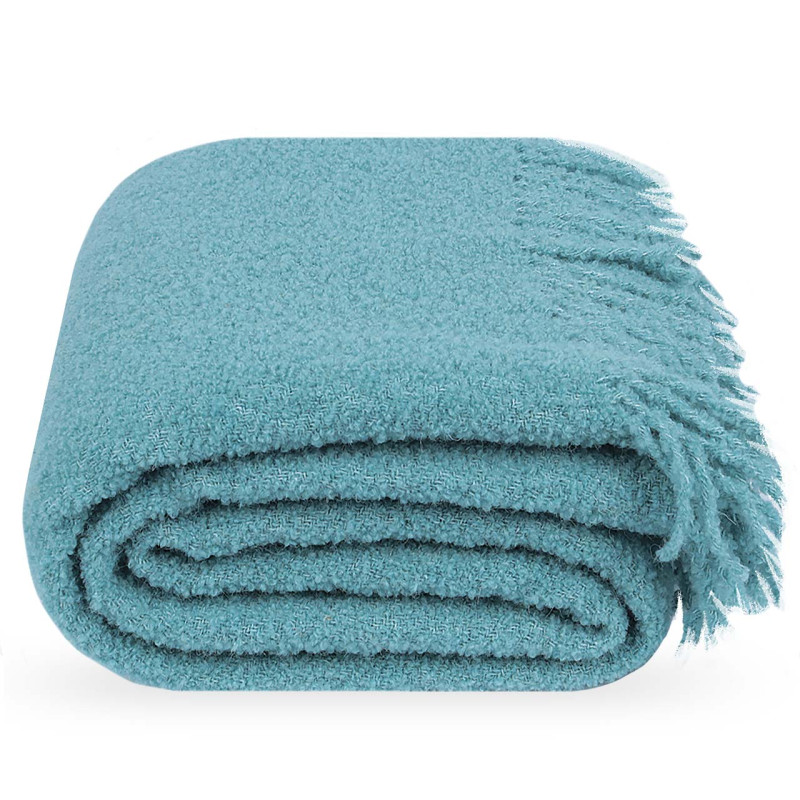
This does not mean a return to overloaded eclectic interiors. Instead, it is about intentional coziness: every textile element is selected with careful attention to material, color, and texture. A blanket is no longer casually thrown over the back of a sofa — it is chosen with the same care as furniture itself. That is why demand for high-quality wool and cashmere blankets with expressive textures is growing rapidly, such as the Bouclé throw with its textured surface or the Symphony or Fortuna knitted throws, both of which look aesthetically refined while inviting touch at the same time.
Combining Natural Materials with Contemporary Design
The second major trend is a thoughtful attitude toward materials. Consumers increasingly choose natural fabrics not only for aesthetics, but also because of a conscious approach to quality and sustainability. Wool, cashmere, mohair, and cotton are experiencing a true renaissance.
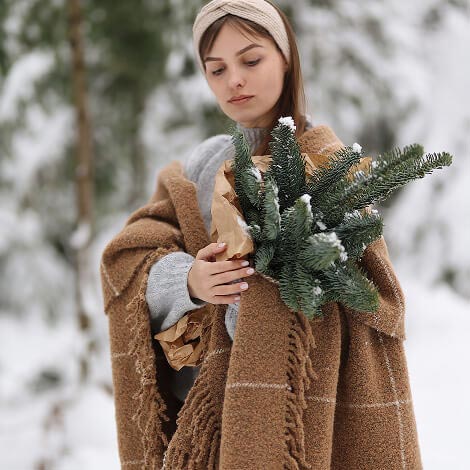
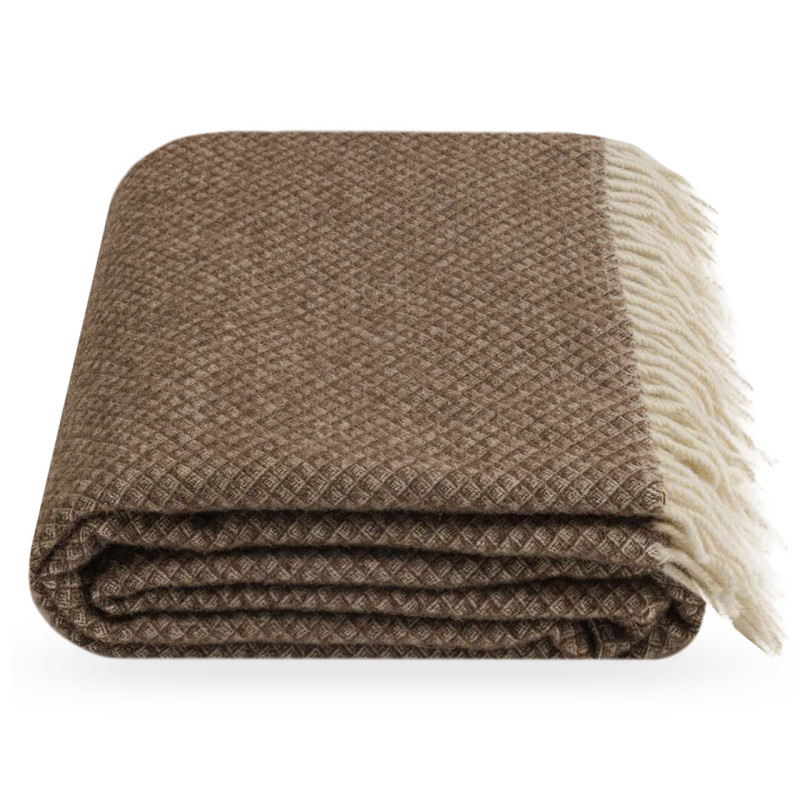
At the same time, natural does not mean outdated. The modern trend is the combination of natural materials with clean, contemporary design. For example, the Lanavitta ECO-collection made from undyed Mongolian wool — including the Rendezvous, Comfort, Legend, Prestige, and Dolores blankets in natural beige and brown shades — combines authenticity with completely modern aesthetics. Another example is the Fortuna throw made from 100% Australian wool in a knitted texture: a classic material integrated into a contemporary interior.
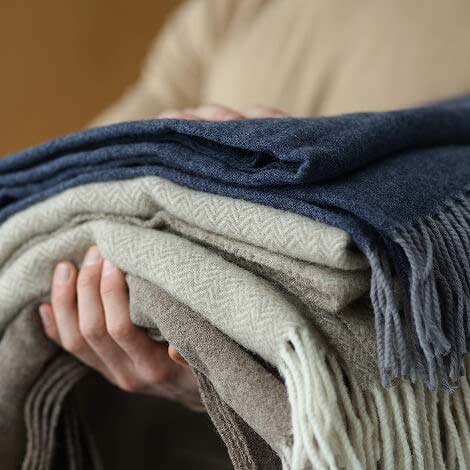
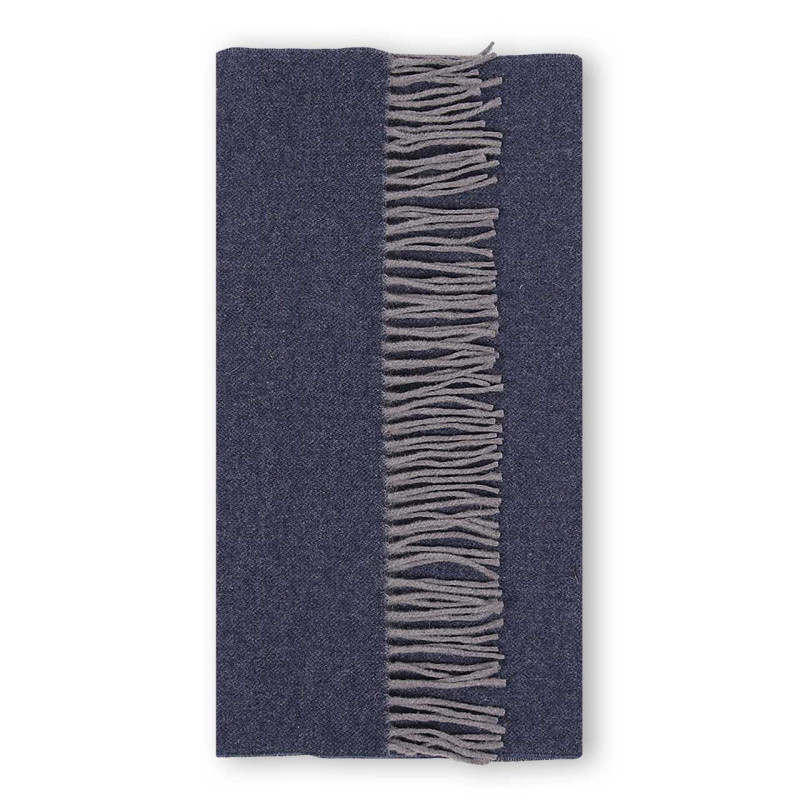
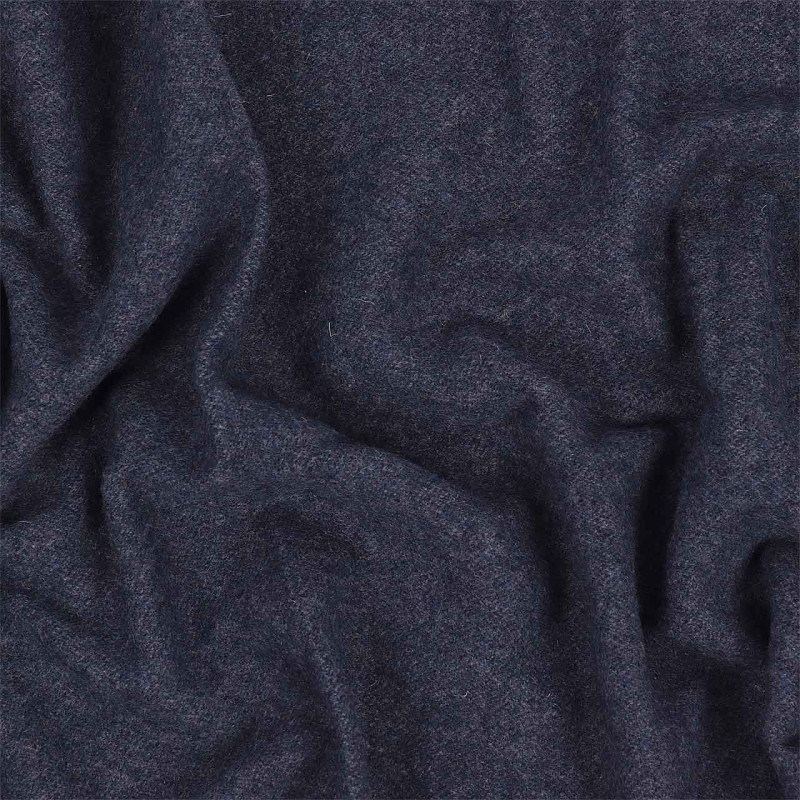
Importantly, natural materials today are not limited to neutral colors. Deep blue cashmere or emerald wool are just as relevant as classic beige tones.
The Dominance of Tactile and Layered Solutions
If previous years focused on how textiles looked, 2026 is all about how they feel. Tactility has become the new luxury: consumers increasingly choose materials not with their eyes, but with their hands.
At the same time, the culture of layering continues to grow: multiple blankets with different densities and textures, bedspreads layered over bedding, decorative cushions — all these elements together create a sense of richness and comfort that cannot be achieved with just one “perfect” item. This reflects a curatorial approach where each layer complements the previous one.
The Most Relevant Textile Color Trends of 2026
Deep Natural Shades as the Foundation of Interiors
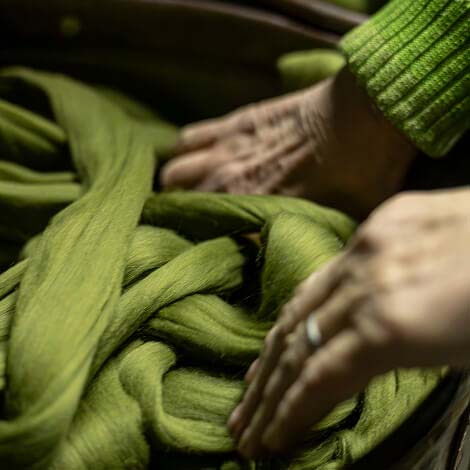
The 2026 palette draws inspiration from earth, forests, and stone. Moss green, olive, terracotta, dark chocolate, and slate gray form the foundation of modern interiors.
Deep natural shades have one important quality: they create a feeling of grounding and calmness that is often missing in today’s fast-paced lifestyle. These are colors that encourage relaxation and stillness.
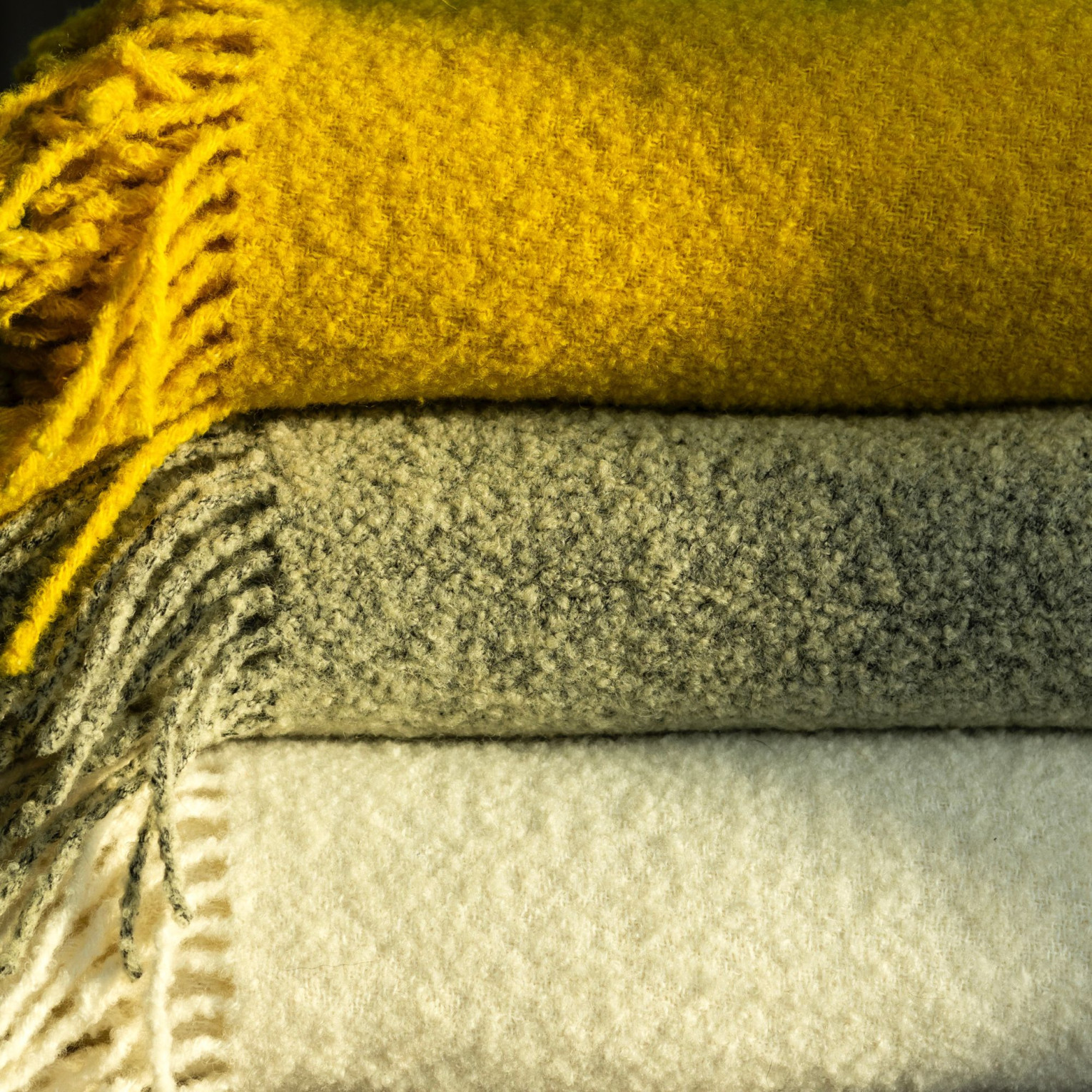
Within the Lanavitta collection, this palette is represented by several models. The Lux throw made from 100% cashmere in olive or lontra shades is a sophisticated choice for those seeking deep natural colors in a premium material. The Melange throw in olive, brown, or burgundy offers a more accessible alternative with a strong visual character. The Bouclé Premium throw in olive or gray-green combines a voluminous texture with natural tones that immediately define the atmosphere of a room.
The lontra shade deserves special mention, as it has become one of the season’s most popular neutrals and now appears in several Lanavitta collections, including the Polo and Lux throws.
Complex Smoky Tones Instead of Pure Colors
Alongside deep natural shades, another key trend is the rise of complex smoky tones, where gray or brown undertones soften the base color. Instead of bright green, we see olive or sage. Instead of classic pink, dusty rose with warm undertones dominates.
These shades look sophisticated and refined while pairing beautifully with both natural materials and other muted colors.
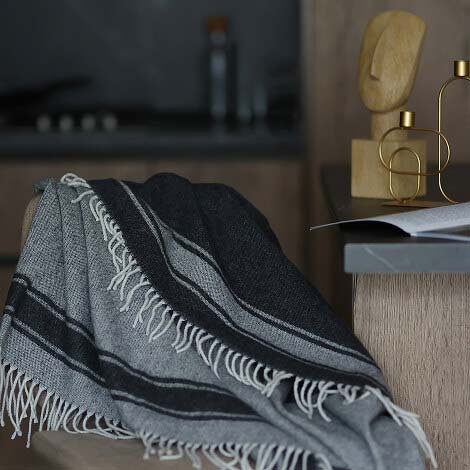
The Scarlet throw in dark gray is a perfect example of this type of complex neutral, where gray gains depth thanks to warm undertones. The Alaska mohair throw in dark gray or the Symphony throw in smoky gray shades offer textured interpretations of this trend, appearing both understated and expressive.
Another important direction is muted green tones: olive, moss, and gray-green. The Bouclé Lounge throw in gray-green or the Ruta throw in muted green fit perfectly into the trend while remaining timeless beyond seasonal fashion.
Textures That Shape Interior Style in 2026
Voluminous Fabrics and the “Soft Texture” Effect
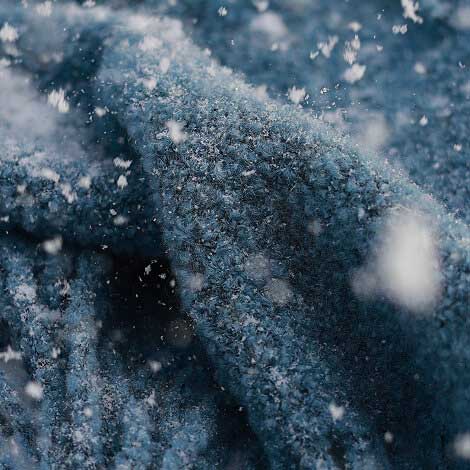
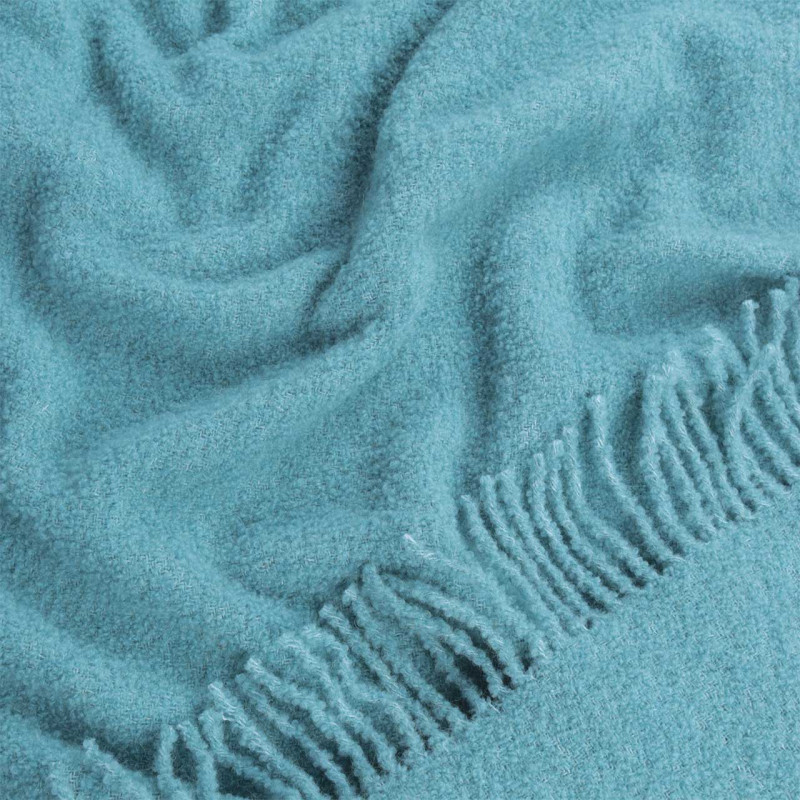
If one material dominates 2026 completely, it is bouclé. This fabric with its characteristic looped or knotted surface, once mostly associated with fashion design, has confidently entered the world of home textiles and interior design.
Why bouclé? Because it satisfies several key demands of the season at once: it looks voluminous and tactile, stands out beautifully in interiors even in solid colors, and — importantly for everyday use — resists visible wear and pilling. Thanks to its textured surface, signs of daily use are barely noticeable, making bouclé blankets ideal not only for homes but also for spaces with heavy traffic.
Knitted textures are also reaching peak popularity. The Symphony blanket or the Fortuna blanket made from 100% Australian wool represent tactile luxury that instantly adds a sense of soft coziness to any space.
Natural Materials with Visible Structure
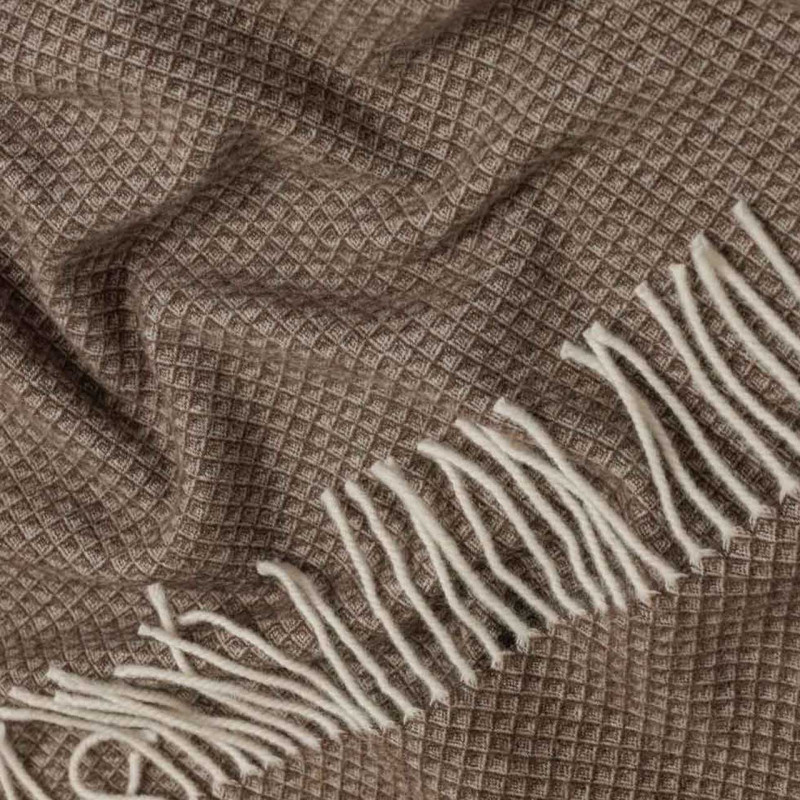
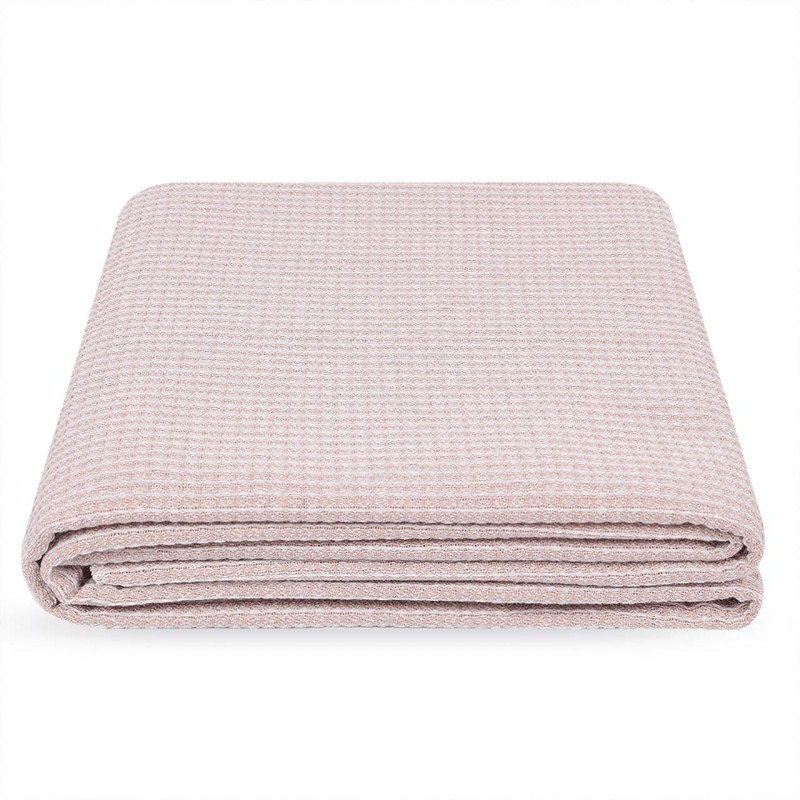
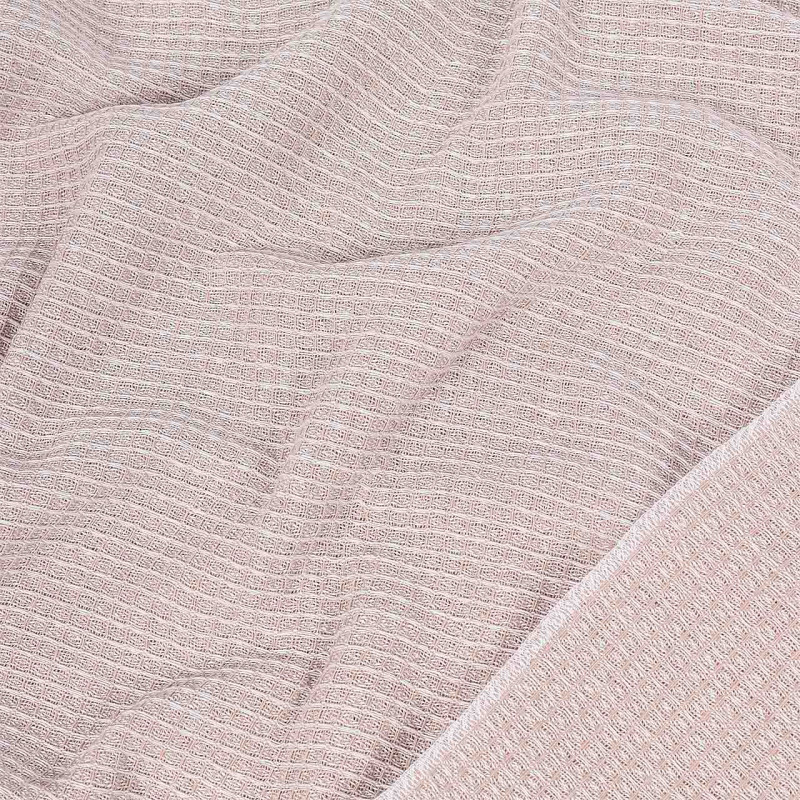
In 2026, natural materials are valued not only for their composition but also for their visible organic structure. Wool with clearly woven fibers, mohair with soft fluffiness, and cotton with waffle textures all perfectly reflect the growing appreciation for authenticity and handcrafted aesthetics.
The Alaska mohair blanket is a perfect example of a material with an airy natural structure: mohair creates a soft fluffy effect that feels luxurious yet effortless. The Runo throw made from New Zealand wool and the Leon throw made from 100% Australian wool both showcase natural fiber structures while maintaining exceptional quality.
The Lanavitta ECO-collection made from undyed Mongolian wool — including the Rendezvous blanket, the Legend blanket with a herringbone pattern, and the Comfort and Prestige blankets with geometric motifs — represents a special category where natural wool texture, traditional weaving patterns, and the absence of dyes create truly authentic textiles.
Combining Smooth and Textured Surfaces
One of the most subtle yet effective textile techniques of 2026 is the intentional contrast of surfaces. Smooth paired with textured. Soft combined with structured. Matte surfaces next to fabrics with a delicate natural wool sheen.
For example, a smooth beige cotton bedspread paired with a Bouclé Premium blanket in cappuccino or ivory creates a beautiful contrast between smooth and looped textures within the same color palette. Or the Scarlet blanket with its smooth cashmere-wool surface layered together with the knitted Symphony blanket creates two distinct tactile experiences that form a sophisticated layered aesthetic.
The main rule when combining textures is to keep the color palette restrained. The more textures used, the fewer colors should appear. Two or three shades within the same tonal family combined with three or four different textures create a formula that works effortlessly and perfectly reflects the spirit of 2026.
This principle transforms an ordinary space into an environment where people truly want to stay — not because it is perfect, but because it has depth, character, and warmth that can be felt long before touching the fabric itself.
Your rating of the article
Terrible
Bad
So-so
Good
Everything is great!


Scroll down, subscribe ;)
Instagram: @lanavitta.wool