Your cart is empty :(
0
0
-1530x510auto.jpg)
Published: 27.10.2025
12 min. read
Which Scarf Material Is Better: Choosing Between Comfort And Style
A scarf is an accessory we simply cannot do without during the cold season. It adds warmth and style to any outfit, and most importantly — it protects us from the cold. However, to ensure that a scarf is not only beautiful but also comfortable, it is important to know which material suits you best.
In this article, we will look at all the options — from wool to viscose — and compare their properties, advantages, and disadvantages.
Main scarf materials
The modern market offers dozens of fabric options used to make scarves — both natural and synthetic. Each material has its own features: warmth, softness, durability, breathability, and the ability to hold its shape.
Natural materials: wool, cashmere, cotton, silk, and linen
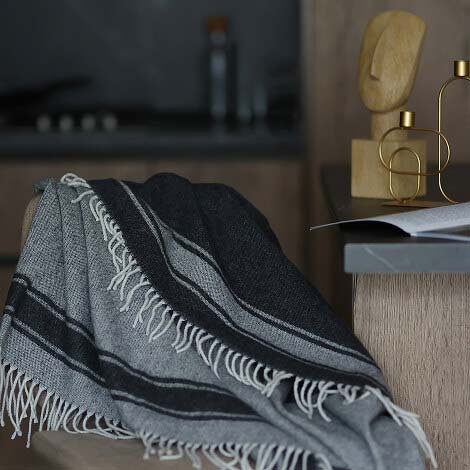
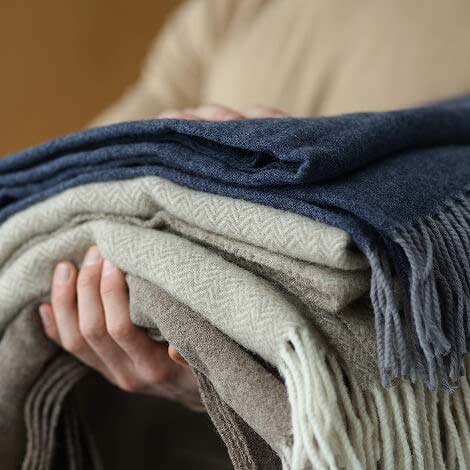
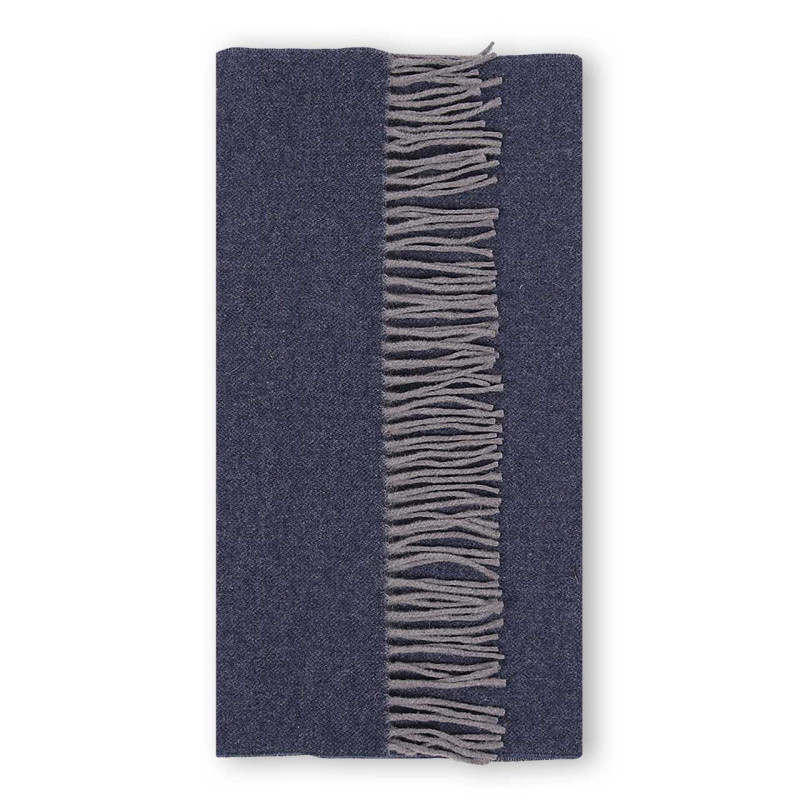
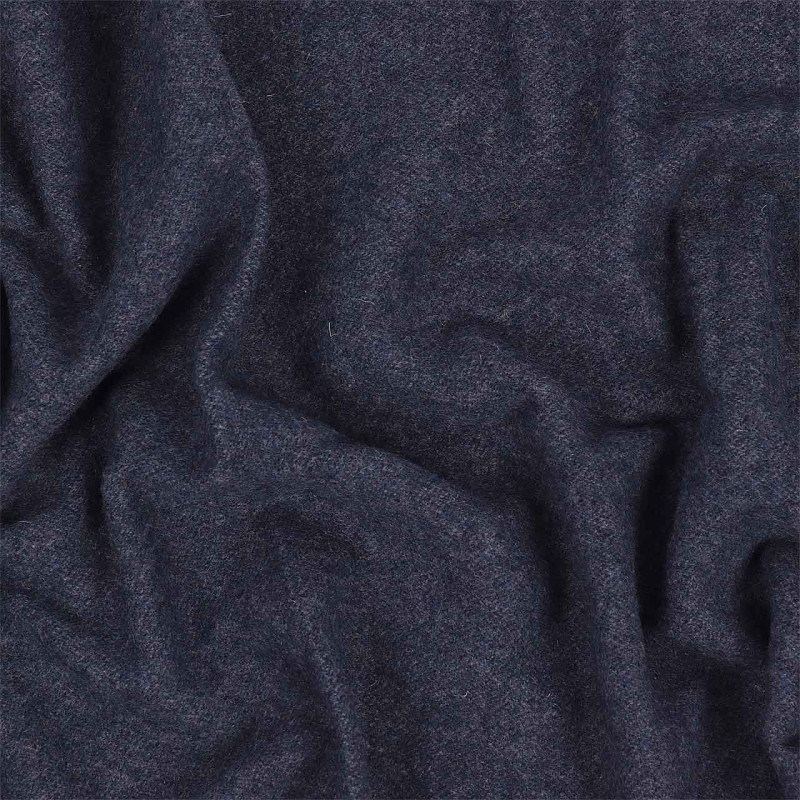
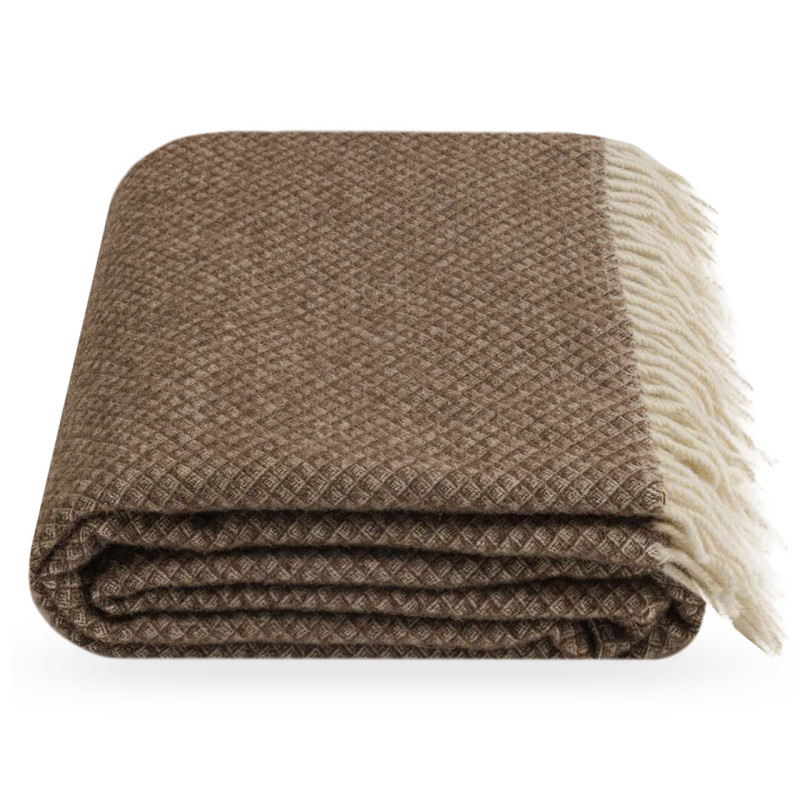
Natural fabrics are valued for their comfort, hypoallergenic properties, and natural beauty. Wool is a classic winter choice. A scarf made of natural wool retains heat perfectly, breathes, and remains soft even with dense weaving. A cashmere scarf is the embodiment of luxury. The fine fibers of mountain wool create an extremely light and warm winter scarf that does not itch and is suitable even for people with sensitive skin.
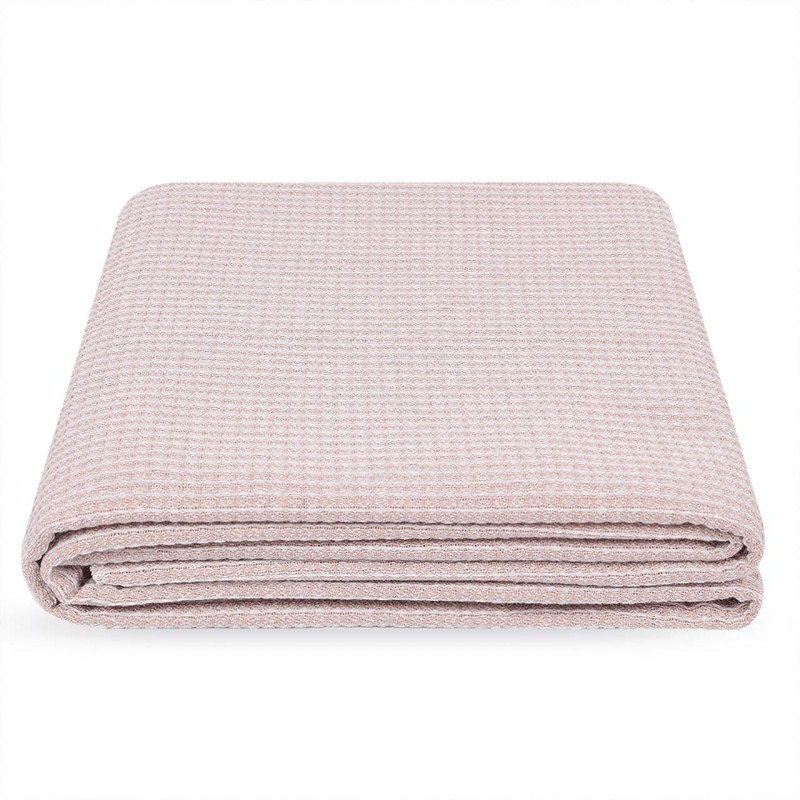
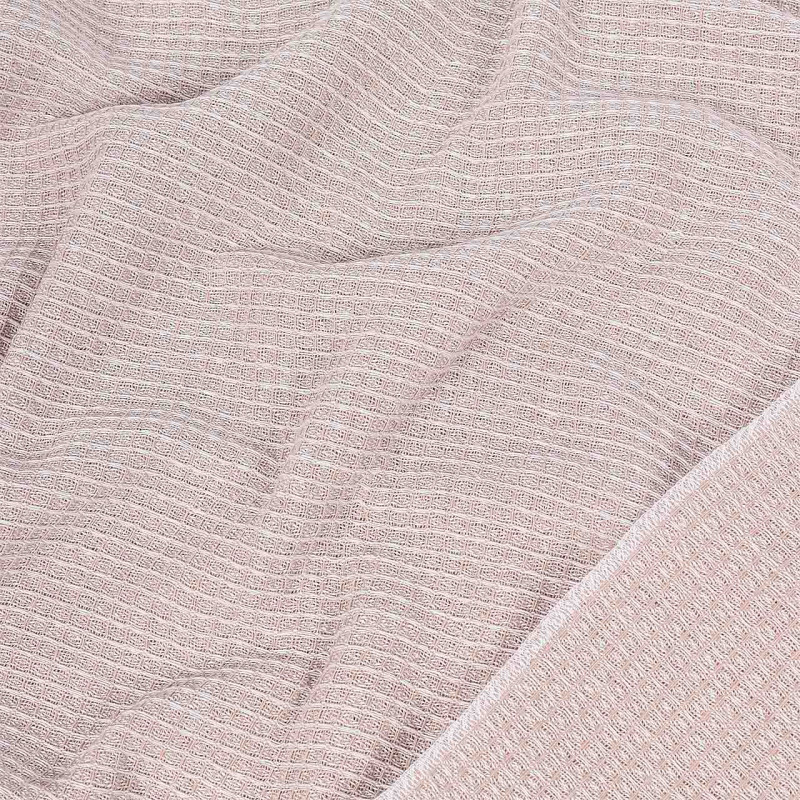
Cotton is the best choice for spring and autumn. It breathes, is soft, and does not generate static electricity. A thin, smooth, and pleasant-to-the-touch silk scarf is an elegant option for formal looks. Meanwhile, linen — natural and cool — is ideal for summer or for pairing with a light coat during the off-season.
All these materials are created by nature to provide warmth, tenderness, and lightness. That is why scarves made of natural fabrics always look noble and feel exceptionally pleasant to the touch.
Expert opinion: “The best material for a scarf is one that not only keeps you warm but also allows your skin to breathe. Natural fibers such as wool or cashmere create a comfortable microclimate that no synthetic material can replicate.”
Synthetic materials: acrylic, viscose, and polyester
Synthetic fabrics are often used by fashion brands for their practicality. Acrylic visually resembles wool. It is soft and warm but more resistant to wear. Shiny, hypoallergenic, and pleasant to the touch, viscose is a semi-synthetic fiber made from cellulose. Polyester, on the other hand, is best suited for autumn or winter. Lightweight and durable, it allows less air to pass through, which makes it excellent for keeping warm during the cold season.
At Lanavitta, we combine natural and modern fibers to create scarves that are comfortable, durable, and stylish at the same time. After all, what matters is not only what the scarf is made of but also how it looks and feels on the skin.
Characteristics of each material: warmth, lightness, breathability
Each material has its own character: one keeps you warm, another refreshes, and some combine both sensations. The table below is a short guide to the properties of scarf materials to help you find your “perfect” option.
| Material | Warmth | Lightness | Breathability | Softness | Care |
| Wool | ★★★★★ | ★★★ | ★★★★ | ★★★ | Hand wash |
| Cashmere | ★★★★★ | ★★★★★ | ★★★★★ | ★★★★★ | Delicate care |
| Cotton | ★★ | ★★★★★ | ★★★★★ | ★★★ | Easy care |
| Lien | ★★ | ★★★★ | ★★★★★ | ★★ | Ironing required |
| Silk | ★★★ | ★★★★★ | ★★★★★ | ★★★★★ | Dry cleaning |
| Acrylic | ★★★★★ | ★★★ | ★★ | ★★★ | Easy care |
| Viscose | ★★★ | ★★★★ | ★★★ | ★★★★ | Делікатний |
| Polyester | ★★★ | ★★★★★ | ★★ | ★★ | Easy care |
By comparing the materials, it is easy to notice that natural fibers provide more warmth and better breathability, while synthetic ones offer convenience and affordability.
In the end, it all comes down to your priorities: if you are looking for softness and warmth, choose cashmere or wool, and if practicality matters more, pay attention to viscose or acrylic.
The most important thing is that the scarf gives you comfort and emphasizes your style, just like the Lanavitta models do.
How to choose a scarf material to match your style and needs
The choice of material depends not only on the season but also on your lifestyle:
• for city looks and office outfits, cotton or silk scarves are suitable;
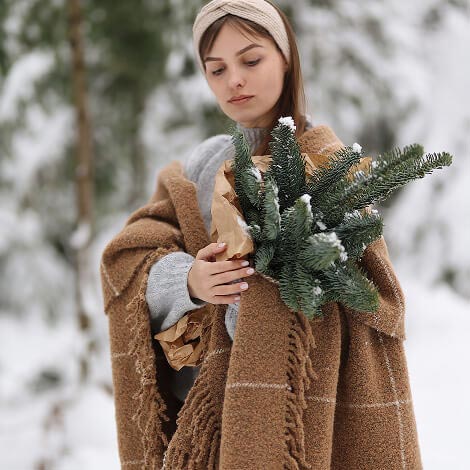
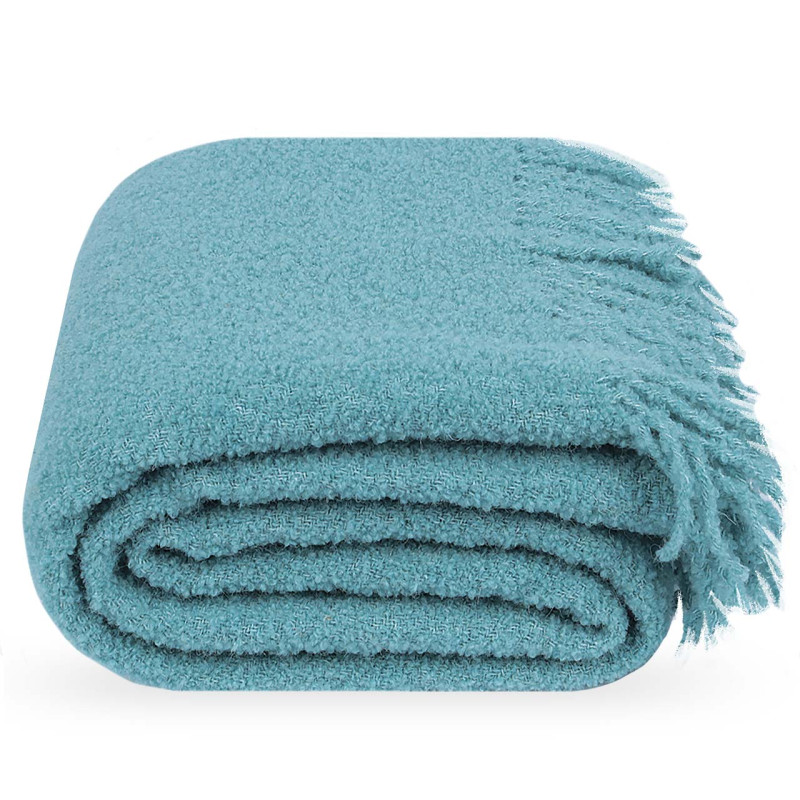
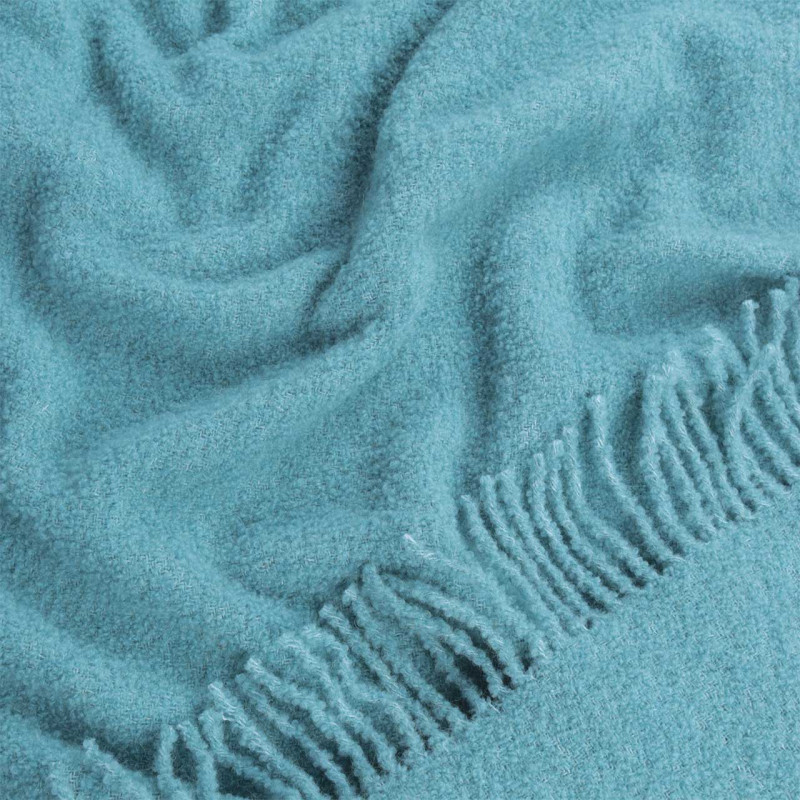
• those who love voluminous textures will like a boucle scarf — soft, warm, and at the same time lightweight;
• if practicality and easy care are important, choose acrylic or viscose.
Tip: before buying, pay attention to the label — a high-quality item always indicates the exact fabric composition.
Advantages and disadvantages of popular materials
In the world of scarves, there is no single perfect material — everything depends on what matters most to you: warmth, softness, or practicality. Below is brief information about the most popular fabrics to help you make the right choice.
Wool and cashmere: warmth and elegance
Wool and cashmere scarves are the best companions for the cold season. They retain heat, allow the skin to breathe, and look luxurious. Cashmere is softer, lighter, and more expensive than regular wool, but it also lasts longer.
Advantages:
• excellent thermoregulation;
• natural and hypoallergenic;
• noble appearance.
Disadvantages: require delicate care and proper storage.
Cotton and linen: breathability and lightness
These materials are favorites for the warm season. Cotton is pleasant to the touch and does not cause overheating, while linen adds a feeling of coolness.
They are ideal for everyday wear and combine well with any style.
Advantages:
• natural origin;
• lightness and breathability;
• easy care.
Disadvantages: retain less warmth in winter, and linen can wrinkle.
Synthetics: affordability and easy care
Acrylic and polyester hold their shape well, do not require special washing, and do not lose color. Such scarves are convenient for travel because they are practical, durable, and inexpensive.
Advantages:
• wear resistance;
• quick drying;
• stain resistance.
Disadvantages: can accumulate static electricity and less breathable than natural fabrics.
At Lanavitta, we value naturalness in every detail. That is why our scarves combine the advantages of natural fibers with modern fabric processing technologies — so that you can feel warmth, softness, and confidence in every movement.
Caring for scarves made from different materials
Each material requires a specific care approach:
• wool and cashmere — hand wash in cool water with a gentle detergent; do not twist; dry flat;
• cotton and linen — can be machine washed at 30–40°C, but it is better to avoid spinning;
• silk — dry cleaning only or light hand washing without rubbing;
• synthetics (acrylic, polyester) — tolerate machine washing well and do not require ironing.
Important: do not store scarves in damp places — natural fabrics “love” air and dryness.
Which material is the best
There is no single perfect option — it all depends on your priorities: warmth, softness, durability, or style.
Tips for choosing a scarf as a gift
For a gift, it is best to choose cashmere or wool — they look luxurious, suit both men and women, and, most importantly, are universally stylish. A cashmere scarf is always a gesture of care and elegance.
Tips for choosing a scarf for yourself
To make a scarf your favorite accessory, consider a few simple rules. Select the material that best suits the weather, your style, and your lifestyle.
• for winter — wool, cashmere, and bouclé;
• for autumn — cotton, viscose, and acrylic;
• for spring — silk or linen.
Also, consider whether you are prone to allergies: natural fibers are more hypoallergenic and have better breathability.
Optimal materials for different seasons and styles
Stylists recommend choosing the material of a scarf not only by color but also by weather and outfit. Below is a short guide on which fabrics suit each season:
• Winter – wool, cashmere, and boucle (classic and minimalism)
• Autumn – acrylic, viscose, and cotton (casual and office)
• Spring – silk, linen, and cotton (romantic and eco)
• Summer – linen and silk (light and natural style)
In Lanavitta collections, you will find scarves for every season — from warm woolen ones to delicate linen and silk models. Each of them is created to provide comfort and highlight your individuality.
How to store scarves so they last longer
Even the best material needs proper storage. To keep your scarf from losing its shape, color, and softness:
- Store it folded rather than hanging — this helps prevent the fibers from stretching.
- Avoid plastic bags — fabrics need to “breathe,” so cotton or linen storage bags are a much better choice.
- Before storing scarves for the season, make sure they are clean: even traces of perfume or creams can damage the fibers over time.
- For wool or cashmere items, place natural moth repellents such as lavender or cedar in the wardrobe.
These simple rules will help you keep your favorite scarf in perfect condition for several seasons in a row.
The best material for a scarf is the one that matches your lifestyle. For some, it is gentle cashmere, for others — a light cotton scarf, and some prefer practical viscose.
Feel the warmth together with Lanavitta! Explore our collection and choose a scarf that complements your style and provides daily comfort.
At Lanavitta, we believe that warmth begins with a touch. A high-quality scarf is not just protection from the cold but also a sign of self-care. Choose natural materials, wear them with pleasure, and create your own style where comfort always comes first.
“Choose a scarf not only by trends but by how it feels. If the fabric is pleasant to the touch, that is already the right choice,” say the stylists of the Lanavitta brand.
Your rating of the article
Terrible
Bad
So-so
Good
Everything is great!


Scroll down, subscribe ;)
Instagram: @lanavitta.wool