Your cart is empty :(
0
0
Published: 27.10.2025
8 min. read
How to Distinguish Cashmere from Counterfeit
In a world where the fashion market is overflowing with synthetic materials, finding genuine cashmere is a true stroke of luck. Its softness, lightness, and natural warmth make it a symbol of luxury. But how can you tell real cashmere from its synthetic counterpart? In this article, we’ll explain how to recognize high-quality cashmere, avoid fakes, and preserve the beauty of your favorite accessory for years to come.
What Is Cashmere and Why It’s So Valuable
Cashmere isn’t just wool — it’s an ultra-fine fiber obtained from the undercoat of mountain goats that live in the cold climates of the Himalayas, Mongolia, China, and Iran. These animals produce an exceptionally thin yet warm material that keeps you cozy even in the harshest winters.
The Advantages of Cashmere: Softness, Warmth, and Lightness
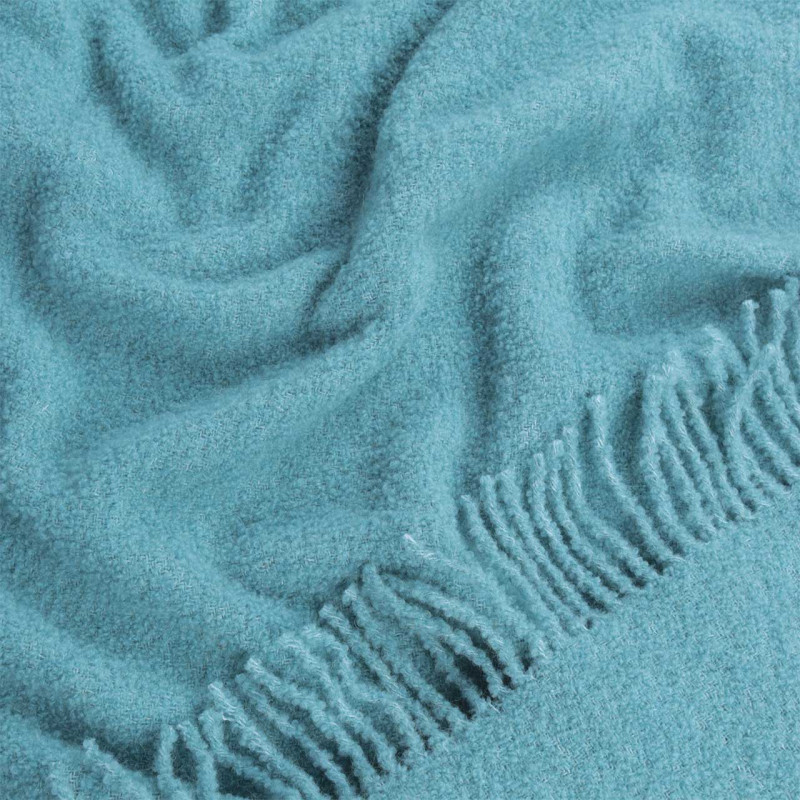
Real cashmere stands out for its unique softness, incredible lightness, and ability to retain heat. It should not be confused with ordinary wool — it’s eight times warmer and much gentler to the touch. That’s why the question of whether you’re holding genuine cashmere or a fake isn’t just about price — it’s about the sensations this luxurious fabric provides.
Where Quality Cashmere Comes From
The main production regions are Mongolia, Nepal, and northern India. European brands source their yarn from these areas. Each cashmere manufacturer has its own methods for cleaning the fibers and maintaining quality control. For example, a cashmere blanket or scarf from Lanavitta is made from carefully selected raw materials certified to meet international standards.
How to Identify Real Cashmere
To determine whether the product is genuine, there are a few simple tests.
- The first quality test is the touch test. The fabric should feel warm, smooth, and free of any synthetic sensation. If it feels cold or generates static electricity, that’s a warning sign.
- Another method is the burn test — carefully burn a small thread. Genuine cashmere smells like burnt hair or wool, while synthetic fibers produce a plastic odor. Always check the label as well: authentic items are marked “100% Cashmere” and come with a certificate of origin.
Common Cashmere Imitations
Today, the market is flooded with knitted products containing only 10–30% cashmere mixed with acrylic or polyester. These items may look similar but lack the natural softness and warmth of true cashmere. Here are a few telltale signs of imitation:
| Feature | Genuine Cashmere | Fake |
| Touch | Soft, warm, and smooth | Cold, synthetic, and rough |
| Weight | Light and airy | Heavier due to additives |
| Fiber | Fine and elastic | Thick and brittle |
| Price | High, premium quality | Low or suspiciously cheap |
Real cashmere is never cheap. Its high price is due to the complex process of collecting and manually processing the raw material.
How to Avoid Buying a Fake
To make sure you don’t end up with a counterfeit, take the purchase seriously:
- Choose only trusted sellers or official brand representatives.
- Check for certificates and proper labeling.
- Pay attention to the origin of the raw material — it’s a key indicator of genuine cashmere.
- Remember: authenticity can always be felt by touch.
These simple steps will help you buy authentic cashmere products and enjoy their softness and warmth for many years.
Caring for Cashmere Products
The delicacy of cashmere fabric requires special care. Wash such items only by hand in cool water using a gentle shampoo or a special wool detergent. Do not wring out the item — simply let the water drain naturally.
Store cashmere pieces folded on a shelf, not hanging, to avoid stretching or deformation. If you care for the quality and natural origin of your item, your favorite cashmere scarf or blanket will last for years.
Tips for Buying
Quality inspection of cashmere begins before you buy. Choose shops that specialize in wool products and have a solid reputation. For example, Lanavitta is a Ukrainian manufacturer that guarantees premium quality and genuine natural materials.
A high-quality cashmere item should have a label stating 100% Cashmere. The yarn may have a slight fuzz but should not shed, and the fabric must feel warm and smooth to the touch.
- Origin - Himalayas, Mongolia, Nepal
- Touch - Soft, warm, and non-itchy
- Fiber - Five times thinner than human hair
- Color - Even, without shine
- Certificate - GCS, OEKO-TEX, or other international standards
Experts at Lanavitta emphasize that real cashmere is an investment in comfort and style. The key is to take your time when choosing and remember that natural cashmere fibers have completely different properties from synthetics.
Choose cashmere products from Lanavitta on our website today — and experience true quality from a reliable Ukrainian brand.
FAQ
How to tell real cashmere from acrylic?
Touch the material: acrylic feels cold and slippery, while cashmere is warm and soft to the touch.
Why is real cashmere expensive?
Because it’s collected by hand in small quantities from the undercoat of mountain goats, making it an exclusive and premium material.
How to store a cashmere blanket?
Keep it in a dry place, wrapped in a breathable cover to prevent moisture buildup.
Can you wash cashmere in a washing machine?
No. Hand washing helps preserve the shape, color, and natural texture of the fabric.
Your rating of the article
Terrible
Bad
So-so
Good
Everything is great!


Scroll down, subscribe ;)
Instagram: @lanavitta.wool